Growing your own herbs indoors is a rewarding and practical way to enjoy fresh flavors right in your kitchen. Whether you have a small apartment or just want to add some greenery to your home, starting a small indoor herb garden is easier than you might think. In this guide, we’ll walk you through everything you need to know to get started, from choosing the right herbs to caring for them throughout the year.
Why Grow Herbs Indoors?
Indoor herb gardening offers several benefits:
– Fresh herbs at your fingertips for cooking and seasoning.
– Adds natural beauty and fragrance to your home.
– Saves money compared to buying fresh herbs regularly.
– Provides a satisfying and educational gardening experience.
– Suitable for year-round growing, regardless of outdoor climate.
Choosing the Right Herbs
Not all herbs thrive indoors, so start with popular, easy-to-grow varieties. Here are some excellent options for beginners:
Best Herbs for Indoor Gardens
– Basil – Loves warmth and sunlight; great for cooking.
– Mint – Hardy and fast-growing, but keep it contained.
– Parsley – Nutrient-rich and versatile, prefers indirect light.
– Thyme – Drought-tolerant and fragrant; needs bright light.
– Chives – Mild onion flavor, easy to grow in small pots.
– Oregano – Requires good light and well-draining soil.
– Cilantro – Cooler conditions, more frequent watering.
Selecting Containers and Soil
Containers
– Use pots with drainage holes to prevent waterlogging.
– Small pots (4-6 inches) work well for herbs.
– Choose materials like terracotta, ceramic, or plastic depending on style and moisture retention.
Soil
– Use high-quality potting mix designed for indoor plants.
– Avoid garden soil, which can be too dense and may contain pests.
– A mix with good drainage and aeration is ideal for herb roots.
Finding the Perfect Spot
Herbs need plenty of natural light for healthy growth.
Lighting Tips:
– Place your herb garden near a south-facing window if possible.
– Aim for 6–8 hours of sunlight daily.
– If natural light is limited, consider using a grow light with full-spectrum bulbs.
– Rotate plants regularly to ensure even growth.
Planting Your Herb Garden
You can start your herbs from seeds or buy young plants from a nursery.
Starting From Seeds:
– Follow the seed packet instructions for planting depth and spacing.
– Keep soil moist but not soaked.
– Use a seed tray or small pots to give seeds a good start.
Transplanting Seedlings:
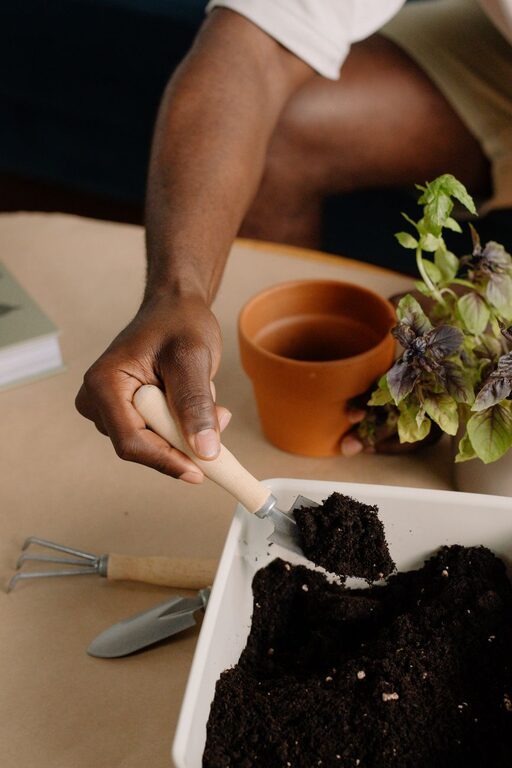
– Gently transfer established seedlings into larger containers.
– Water immediately after transplanting.
Watering and Feeding Your Herbs
Watering Guidelines:
– Water when the top inch of soil feels dry.
– Avoid overwatering; soggy soil can lead to root rot.
– Use a spray bottle to mist plants if the air is very dry.
Feeding:
– Use a balanced, water-soluble fertilizer every 4-6 weeks.
– Follow package directions to avoid overfeeding.
Maintaining Your Indoor Herb Garden
Pruning and Harvesting:
– Regularly pinch or cut your herbs to encourage bushy, healthy growth.
– Harvest leaves as needed but avoid removing more than one-third of the plant at a time.
– Remove any yellowing or dead leaves to keep plants tidy.
Pest Management:
– Keep an eye out for common pests like aphids or spider mites.
– Wipe leaves with a damp cloth or use natural insecticidal soap if needed.
– Good air circulation helps prevent pest problems.
Troubleshooting Common Problems
– Leggy Growth: Usually caused by insufficient light; move herbs to a sunnier spot.
– Yellow Leaves: Could be overwatering or lack of nutrients.
– Slow Growth: Check light levels and soil quality; consider repotting.
Expanding Your Indoor Garden
Once you’re comfortable with a few herbs, try adding new varieties or incorporate vertical planters to maximize space. Herbs like rosemary and lavender can work indoors with enough light and care.
Final Tips for Success
– Keep a consistent watering schedule.
– Rotate pots to ensure even light exposure.
– Clean your pots and tools regularly.
– Take notes on what works best for your environment.
Starting an indoor herb garden is a fun and satisfying project that brings fresh flavors and a touch of nature right into your home. With a little attention and care, your indoor herbs can thrive and enhance your cooking and living space all year round. Happy gardening!
About the Author