
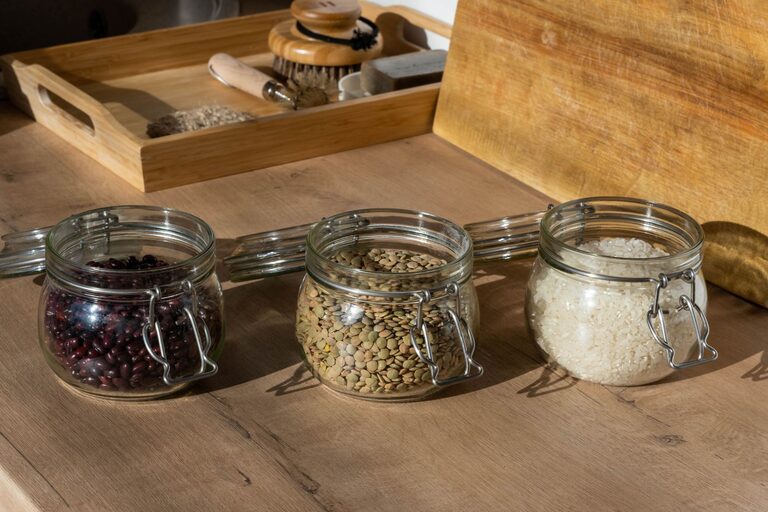
Planning meals around pantry staples is a smart way to save money, reduce food waste, and simplify your cooking routine. Whether you have a well-stocked pantry or are just starting to build one, knowing how to turn basic ingredients into tasty meals can make a big difference in your weeknight dinners.
In this post, we’ll explore practical tips on how to plan meals using pantry staples, key ingredients to keep on hand, and simple recipes to inspire your next meal. Let’s get started!
Why Plan Meals from Pantry Staples?
Before diving into the how-to, it helps to understand the benefits of meal planning with pantry staples:
– Convenience: You can prepare meals without last-minute grocery runs.
– Cost-effective: Using what you have reduces impulse buys and food waste.
– Creativity: Pantry staples are versatile and allow for many recipe variations.
– Reduced waste: Planning helps you use ingredients before they expire.
Step 1: Assess Your Pantry Inventory
Begin by taking stock of what you already have. This helps you avoid duplicates and inspires meal ideas.
– Check cans, jars, dried goods, and spices.
– Look for grains like rice, pasta, and quinoa.
– Note proteins such as canned beans, lentils, or canned tuna.
– Identify sauces, oils, and condiments.
– Write down items and their quantities.
Step 2: Identify Your Pantry Staples
Some key ingredients are great to keep on hand because they have a long shelf life and work well in many dishes. Common pantry staples include:
Grains and Pasta
– Rice (white, brown, or wild)
– Pasta (various shapes)
– Quinoa
– Couscous
Legumes and Beans
– Canned or dried beans (black beans, chickpeas, kidney beans)
– Lentils (red, green, or brown)
Canned Goods
– Tomatoes (diced, crushed, or sauce)
– Tuna or salmon
– Coconut milk
Baking Basics
– Flour
– Baking powder/soda
– Sugar and sweeteners
Oils and Vinegars
– Olive oil
– Vegetable oil
– Vinegar (apple cider, balsamic)
Spices and Herbs
– Salt and pepper
– Garlic powder
– Chili flakes
– Italian seasoning
– Cumin
– Paprika
Other Essentials
– Broth or bouillon cubes
– Nut butters
– Soy sauce
Step 3: Plan Your Meals Around What You Have
Once you know your ingredients, begin planning meals that incorporate them. Here’s how:
Mix and Match Ingredients
Combine grains with beans and vegetables for balanced meals. For example, rice and black beans with canned tomatoes and spices make a simple and healthy dish.
Use Staples as a Base
Pasta with a tomato sauce made from canned tomatoes, garlic, and herbs can be a quick meal. Add canned tuna or beans for protein.
Think Soup and Stews
Soups and stews are great for using multiple pantry items—lentils, canned vegetables, broth, and spices can be simmered together for a comforting meal.
Roasts and Stir-Fries
Use oils and spices to roast canned or frozen vegetables. Toss with grains for an easy dinner.
Step 4: Incorporate Fresh Ingredients When Possible
While pantry staples are the foundation, adding fresh ingredients like onions, garlic, herbs, or seasonal vegetables can brighten your meals. Keep these basics in your fridge and replenish as needed.
Sample Meal Ideas Using Pantry Staples
Here are some meal ideas to get you started:
1. Chickpea Curry
– Pantry staples: canned chickpeas, canned coconut milk, canned tomatoes, curry powder, rice.
– Directions: Sauté spices, add canned tomatoes and coconut milk, simmer chickpeas, serve over rice.
2. Pasta with Tuna and Tomato Sauce
– Pantry staples: pasta, canned tuna, canned diced tomatoes, olive oil, garlic powder.
– Directions: Cook pasta, heat tomatoes with garlic, stir in tuna, toss with pasta.
3. Lentil Soup
– Pantry staples: lentils, vegetable broth cube, canned diced tomatoes, cumin, chili flakes.
– Directions: Simmer lentils with broth and tomatoes, season with spices.
4. Black Bean and Rice Bowl
– Pantry staples: black beans, rice, canned corn, salsa, chili powder.
– Directions: Cook rice, heat beans and corn with spices, top with salsa.
5. Quinoa Salad
– Pantry staples: quinoa, canned chickpeas, olive oil, vinegar, dried herbs.
– Directions: Cook quinoa, mix with chickpeas, dress with oil and vinegar, season.
Tips for Keeping Your Pantry Organized
An organized pantry makes meal planning easier:
– Group similar items together (grains, canned goods, spices).
– Label shelves or containers.
– Keep frequently used items accessible.
– Check expiration dates regularly.
– Rotate stock so older items are used first.
Conclusion
Planning meals from pantry staples is a practical way to make cooking less stressful and more cost-effective. With a thoughtful pantry and some creativity, you can whip up satisfying meals any day of the week. Start by taking inventory, keep essential staples on hand, and experiment with recipes that combine ingredients in new ways. Your future self will thank you for making meal times simpler and more enjoyable!
About the Author