
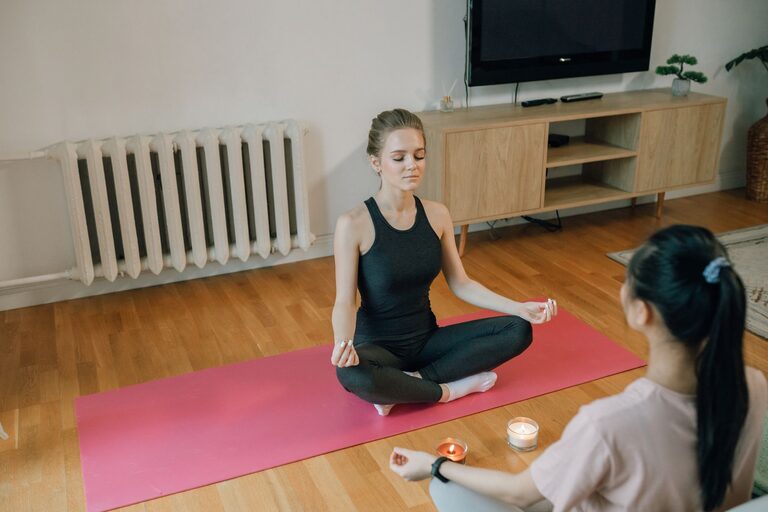
Taking short mindful breathing breaks during your day can be a simple yet powerful way to reduce stress, increase focus, and improve your overall well-being. Whether you’re at work, home, or on the go, practicing mindful breathing helps you reconnect with the present moment and gives your mind and body a refreshing pause. If you’re new to mindful breathing, this guide offers beginner-friendly tips to help you build the habit comfortably and effectively.
What Is Mindful Breathing?
Mindful breathing means paying deliberate attention to your breath—its natural rhythm, how the air feels entering and leaving your body—without trying to control it. This focused awareness brings you into the present moment, gently shifting your mind away from worries or distractions.
Benefits of Taking Mindful Breathing Breaks
– Reduces stress: Mindful breathing activates your body’s relaxation response.
– Improves focus: Short breaks can clear your mind and enhance concentration.
– Regulates emotions: Helps calm overwhelming feelings and promotes balance.
– Supports physical health: Can lower heart rate and blood pressure.
– Enhances self-awareness: Increases understanding of your thoughts and feelings.
How to Get Started with Mindful Breathing Breaks
1. Choose a Comfortable Setting
Find a quiet or semi-quiet spot where you won’t be interrupted. This could be your desk, a cozy chair, or even a park bench. You don’t need complete silence, but a calm environment helps.
2. Set a Timer for Your Break
Start small. Even one to three minutes can be beneficial. Later, you can gradually increase to five or ten minutes as you become more comfortable.
3. Sit or Stand Comfortably
Keep your back straight but relaxed. Rest your hands on your lap or knees. If standing, keep your feet flat and shoulders relaxed.
4. Focus on Your Breath
Close your eyes if you like or soften your gaze. Notice the sensation of air entering your nostrils, filling your lungs, and then leaving your body. Pay attention to the rise and fall of your chest or belly.
5. Breathe Naturally
Don’t force your breath to be slow or deep; just observe it as it naturally flows.
6. Gently Redirect Your Focus
Your mind will wander—that’s normal! When you notice this, kindly bring your attention back to your breath without judgment.
Simple Mindful Breathing Techniques for Beginners
Box Breathing (Square Breathing)
– Inhale through your nose for a count of 4.
– Hold the breath for a count of 4.
– Exhale through your mouth for a count of 4.
– Hold your lungs empty for a count of 4.
– Repeat the cycle 3-5 times.
This technique promotes calmness and clarity.
4-7-8 Breathing
– Inhale quietly through your nose for 4 seconds.
– Hold your breath for 7 seconds.
– Exhale completely through your mouth for 8 seconds.
– Repeat 3-4 times.
This method is great for relaxation and easing anxiety.
Belly Breathing
– Place one hand on your belly and one on your chest.
– Inhale deeply through your nose, feeling your belly rise.
– Exhale slowly through your mouth, feeling your belly fall.
– Focus on the sensation of your belly moving with each breath.
This helps deepen your awareness of your breath and encourages full oxygen exchange.
Tips to Make Mindful Breathing a Habit
– Set reminders: Use phone alarms or sticky notes to prompt you.
– Pair with daily activities: Practice before meals or after finishing a task.
– Start your day mindfully: Begin with a breathing break to set a calm tone.
– Use guided apps: Apps like Calm, Headspace, or Insight Timer can offer helpful prompts.
– Be patient: Like any new habit, mindfulness takes time to develop.
Overcoming Common Challenges
My Mind Won’t Stop Racing
Remember, the goal isn’t to clear your mind entirely but to gently bring focus back to the breath every time thoughts arise.
I Don’t Have Enough Time
Even a 60-second breathing break can help. Multiple short breaks are better than none.
I Feel Uncomfortable Sitting Still
Try mindful breathing while walking or lying down. The key is awareness, not posture.
When to Use Mindful Breathing Breaks
– During work to reset focus
– Before stressful conversations or events
– When feeling overwhelmed or anxious
– To help unwind before sleep
– Anytime you need a moment of calm
Final Thoughts
Mindful breathing breaks are a simple, accessible way to support your mental and physical health. Starting with short sessions and gentle techniques can help you build a lasting mindfulness practice. Remember, consistency matters more than duration. With practice, mindful breathing can become a natural, calming part of your daily routine.
Give these beginner tips a try today and see how a few mindful breaths can make a big difference. Your mind and body will thank you!
About the Author