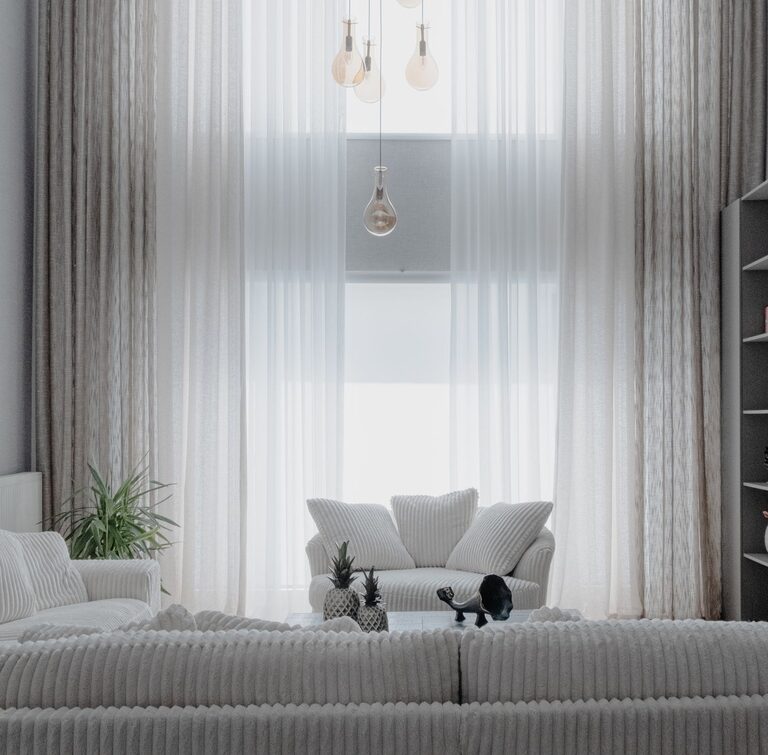
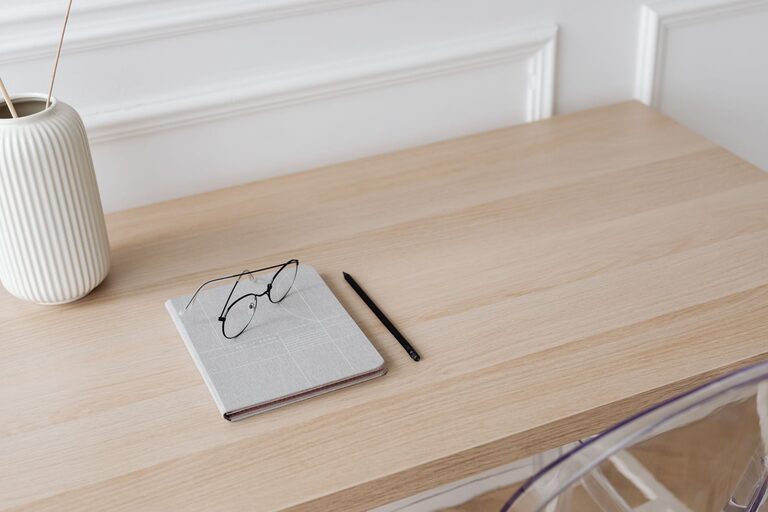
Creating a relaxing home workspace is essential for staying productive and maintaining well-being while working from home. Whether you have a dedicated room or a small corner, designing a space that feels calm and inviting can make a big difference in your daily work experience. In this post, we’ll explore practical ways to create a relaxing workspace that helps you focus and reduces stress.
Why a Relaxing Workspace Matters
A cluttered or uncomfortable workspace can increase stress and reduce your ability to concentrate. On the other hand, a well-organized, peaceful environment encourages creativity and helps you maintain a positive mindset. When you feel relaxed and comfortable, it’s easier to stay motivated and complete tasks efficiently.
Choosing the Right Location
Find a Quiet Spot
Start by choosing a location for your workspace that minimizes distractions. Ideally, pick a quiet area away from heavy foot traffic and noisy appliances. If you don’t have a separate room, consider using noise-canceling headphones or a white noise machine to block background noise.
Maximize Natural Light
Natural light has a calming effect and helps reduce eye strain. Position your desk near a window if possible, but avoid glare on your screen. If natural light is limited, invest in a good quality desk lamp with adjustable brightness to keep your space well-lit.
Organize Your Space for Calm
Declutter Regularly
A clean and tidy workspace supports a clear mind. Keep only essential items on your desk and store the rest neatly. Use drawer organizers, shelves, or storage boxes to keep supplies out of sight but within easy reach.
Use Cable Management
Messy cables can add to visual clutter and cause frustration. Use cable clips, sleeves, or a cable box to keep wires organized and off your desk. This small change makes a big difference in creating a calm environment.
Add Comfort and Personal Touches
Invest in Ergonomic Furniture
Comfort is key to staying focused and avoiding physical strain. Choose a supportive chair and an adjustable desk, if possible. Make sure your monitor is at eye level and your chair supports good posture.
Include Soothing Colors
Colors influence mood. Soft, neutral tones like light blues, greens, or beige create a peaceful ambiance. If you prefer bold colors, use them as accents through accessories like cushions or wall art instead of painting the entire room.
Bring in Nature
Plants add life and a sense of calm to any space. Choose low-maintenance indoor plants like succulents or snake plants. Besides improving air quality, their green presence helps reduce anxiety and increase productivity.
Manage Noise and Sensory Inputs
Use Soundscapes
If you find silence distracting, play calming background sounds such as nature noises, gentle music, or ambient white noise. This can improve concentration and mask any disruptive sounds from outside.
Control Temperature and Air Quality
A comfortable temperature keeps you focused. Use fans or heaters to maintain a pleasant environment. Ensure good ventilation by opening windows or using air purifiers to keep fresh air circulating.
Establish a Routine and Boundaries
Set Work Hours
Creating a schedule helps your mind associate your workspace with productivity. Define clear start and end times for work to avoid burnout and maintain a healthy work-life balance.
Use Visual Cues
Use items like a calendar, clock, or a whiteboard to keep track of tasks and time blocks. Visual organization helps maintain focus and reduces anxiety about unfinished work.
Incorporate Relaxation Breaks
Designate a Break Area
If space allows, create a small relaxation nook nearby with a comfortable chair or cushion. Use this area for short breaks to stretch, meditate, or simply rest your eyes.
Practice Mindfulness
Take brief mindful moments during your workday. Simple breathing exercises or short stretches can reduce tension and refresh your mind.
Final Thoughts
Designing a relaxing home workspace doesn’t require a large budget or a dedicated room. By thoughtfully organizing your area, introducing comfortable elements, and setting clear boundaries, you can create an environment that supports both productivity and calmness. Start with a few changes today and enjoy the benefits of a workspace that feels like your own peaceful retreat.
About the Author